
Staffordshire student inspired to write book after autism diagnosis
By Livia Gregor 22nd Oct 2026
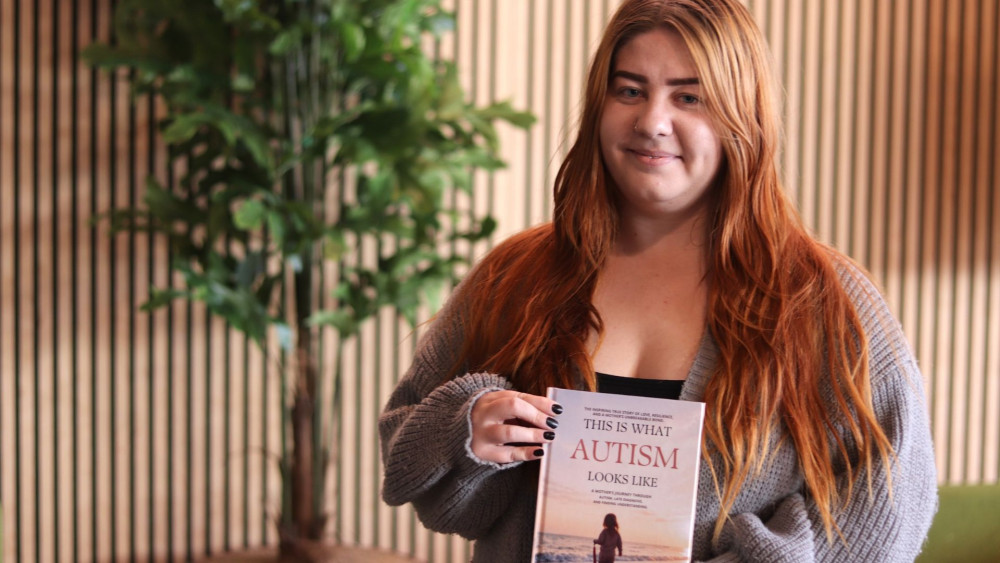
A University of Staffordshire student has written a book to aid families living with autism.
After being diagnosed with autism two years ago, Sophie Deegan-Brooks, 28, realised that she could use her experiences to help others.
As a late-diagnosed autistic woman and mother of a five-year-old non-verbal autistic daughter, Sophie felt she had a unique insight into what it is like to be neurodivergent and live with someone who is neurodivergent.
Originally from Crewe, she was inspired to write down her story while studying BSc (Hons) Psychology and Counselling.
She hopes her memoir, This Is What Autism Looks Like, will provide practical advice and reassurance to other people navigating autism.
Sophie said: "On my course, we do a reflective journal and the more I was writing it, the more a light bulb started to flicker.
"Eventually I thought, you know what?
"I'm just going to have to write a book.
Download our Nub News App!
- It’s FREE and available now- Breaking news notifications
- Your Town in Your Pocket


"I wanted to write the book that I wish I had had.
"And to show a realistic portrayal of family life with a neurodivergent child and mother.
"It's got practical information about all the paperwork, schools, behaviours, struggles, and everything in between.
"I hope the book will help other people by giving them strategies and ideas that might make their lives easier.
"Even if it just helps one person, it will have been worth it."
Sophie was misdiagnosed with borderline personality disorder as a teenager before receiving an autism diagnosis after she started counselling.
She believes that is harder for women and girls to be diagnosed as autistic due to stereotypes.
"Because I'm classed as high functioning it made it more difficult to spot.

"A lot of autism studies have focused on males and their traits and symptoms.
"Women and girls can mask symptoms a lot better, so it's harder for professionals to diagnose."
Now in the final year of her degree, Sophie volunteers with the YMCA and works as Wellbeing and Inclusion Officer at the University.
In the future, she hopes to progress onto a PhD in clinical psychology.
Download our Nub News App:
- It’s FREE and available now
- Breaking news notifications
- Your Town in Your Pocket
Share: